
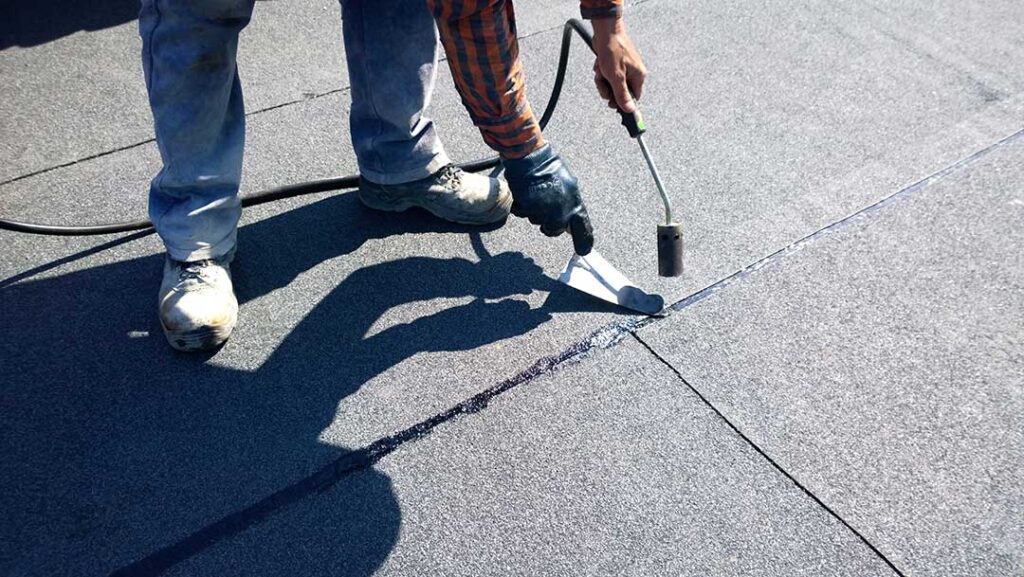
Why Is Fall Roof Maintenance Important in Wynantskill, NY?
Fall roof maintenance is crucial due to regional weather shifts and the particular mix of trees and precipitation that affect homes locally. In Wynantskill, changing temperatures, falling leaves, and increased wet weather expose roofs to debris, moisture, and the freeze-thaw cycle, all of which can accelerate wear or lead to leaks.
Keeping up with seasonal upkeep helps residents avoid preventable roof issues over the winter, when repairs get harder and more expensive. Simple autumn routines support a dry, comfortable home through the cold months ahead.
What Are the Key Fall Roof Maintenance Tasks?
Key tasks include clearing debris, inspecting for visible damage, checking gutters, and watching for early signs of trouble. Each addresses risks common in the climate and housing stock of the area.
- Remove leaves, twigs, and organic debris from shingles and valleys to prevent water retention and moss growth.
- Clear gutters and downspouts fully so water can drain properly during autumn rains and snowmelt.
- Visually inspect for cracked, loose, or missing shingles, as well as flashing that appears bent or corroded.
- Note any signs of mold, algae, or moss, which thrive on shaded, damp roof areas below tree cover.
- Inside the attic, look for water stains, daylight through the roof boards, or a musty odor—these can signal leaks not visible from outside.
How Should Local Residents Clean Roof Surfaces Safely?
Cleaning roof surfaces is best approached cautiously. For many Wynantskill homes, the mix of mature trees and sloped roofs creates slippery, leaf-covered conditions in fall.
- Use a stable ladder with a helper nearby if climbing onto the roof is necessary.
- Wear shoes with grip; avoid going up if the roof is wet or icy.
- Whenever possible, use a roof rake or extendable brush from the ground to avoid surface damage.
- Never use a pressure washer, as it may dislodge shingles or force water underneath them.
- If debris is heavy or conditions feel unsafe, postponing until drier weather or consulting weatherized maintenance resources may be appropriate.
What Problems Should You Watch for During a Fall Inspection?
Visible damage and subtle warning signs both matter. Local households often overlook early clues that become major issues when ignored through winter.
Directly observable problems include:
- Missing, curling, or blistered shingles, especially after windy storms
- Granule buildup in gutters, which signals shingle aging
- Rust or gaps in metal flashing near chimneys, skylights, or vents
Less obvious hints:
- Sudden increases in utility bills, which can stem from insulation or ventilation issues related to roof leaks
- Water marks or peeling paint on indoor ceilings near exterior walls
- Sounds of dripping after heavy rain or during freeze-thaw temperature swings
Do Gutters Really Affect Roof Health in Wynantskill?
Gutters play a major preventative role in roof longevity for area homes, which often see heavy leaf drop in autumn.
Clogged gutters can cause:
- Overflow and pooling water, sometimes backing up under shingles and into the roof deck
- Ice dams in early winter, when trapped water freezes and expands beneath roofing material
- Extra structural weight and detachment, posing safety risks as well as potential for fascia and soffit rot
Clearing gutters at least once each fall, after most trees have dropped their leaves, is typically enough for the majority of single-family homes in the community.
How Can You Minimize Moss and Algae on Your Roof?

Moss and algae flourish on shaded, damp roof surfaces, especially facing north or near tall trees very common in Wynantskill neighborhoods.
Control tips include:
- Trimming back overhanging tree limbs to allow sunlight and wind to help surfaces dry
- Periodically brushing away visible moss with a soft tool (never metal) during dry weather
- Avoiding bleach or harsh cleaners, which can harm roofing and local plant life—if treatment is necessary, look for roof-safe, biodegradable products
- Monitoring after particularly wet autumns or following warmer-than-usual spells, when growth may be accelerated
Are There Specific Local Factors to Consider?
Wynantskill’s combination of mature shade trees, freeze-thaw winters, and a mix of older and newer roofing materials creates distinct vulnerabilities.
- Older homes may have multiple roof layers or aging flashing, making regular inspection even more vital.
- Seasonal winds can drive debris under shingles or into roof valleys, requiring extra attention after fall storms.
- The mix of rain and early snow often seen locally in late fall adds to the urgency of clearing and inspecting before winter.
What Should You Do If You Find Minor Damage?
Small issues such as a lifted shingle tab or a patch of missing granules can often be monitored or handled with basic repairs, such as gently pressing down a loose shingle with roofing cement if conditions are safe.
However, any hint of a leak, widespread curling, or visible sagging signals a need to stop further inspection and seek appropriate guidance. In fall, prompt action helps avoid water damage and expensive repairs down the road.
How Do Local Regulations Affect Roof Maintenance?
Wynantskill residents should avoid disposing of roofing debris in regular household trash—leaves and other organic matter can typically be composted or picked up during municipal yard waste days, while roofing materials may require special drop-off or curbside collection depending on local guidelines.
Noise or work-hour regulations may affect the timing of do-it-yourself repairs, especially in more densely settled neighborhoods.
What About Chimney and Skylight Areas?
Chimneys and skylights are common trouble spots for leaks.
- Check that flashing is snug around chimneys and all edges are sealed, as wind-driven rain can find its way into even small gaps in fall storms.
- Remove loose debris and watch for signs of water staining on the interior or exterior around these penetrations.
Promptly addressing minor issues around these areas can prevent larger problems with water intrusion over the winter.
