
What Does Re-Roofing Mean for Homes in Wynantskill, NY?
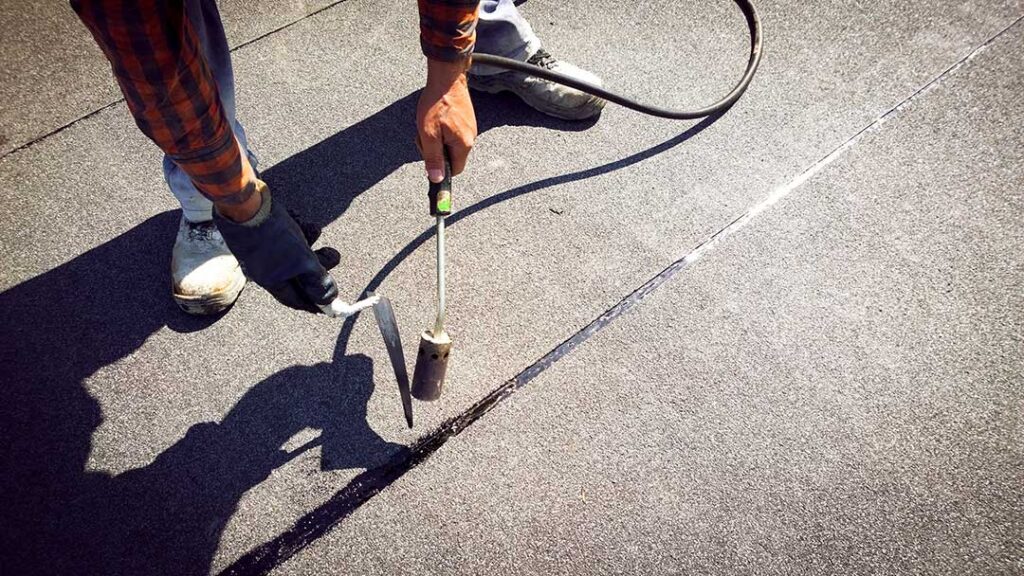
Re-roofing is the process of installing a new layer of shingles over an existing roof without removing the old materials. This option is often considered by Wynantskill residents whose current roofs remain structurally sound but are starting to show surface wear or minor leaks. Since the local climate brings snow, rain, and seasonal changes, roofs in the area can develop worn, faded, or slightly cracked shingles after years of exposure.
In practice, re-roofing is only an option for pitched roofs with a single existing layer of shingles—building codes in the Wynantskill area typically do not allow more than two layers. If a roof already has two layers, this process isn’t feasible or legal.
Key Points:
- Re-roofing adds a new shingle layer directly over the old one
- Most area homes with just one shingle layer may be eligible
- Roof structure beneath must be in good condition (no major rot or sagging)
- Not a solution for widespread water damage, mold, or persistent leaks
What is a Full Roof Replacement and How Is It Different?
Full roof replacement involves completely removing all existing shingles (and sometimes the underlying materials) down to the bare decking, then installing an entirely new roofing system. This approach is necessary when significant damage exists, when a roof already has two layers of shingles, or when local building codes dictate a full tear-off for safety and code compliance.
Homeowners in Wynantskill may need a replacement after long-term exposure to ice dams, heavy wet snow, wind-driven rain, or storm damage—conditions the region experiences regularly through the year. A full replacement allows contractors to inspect and repair the underlying wood for rot, mold, or structural issues before installing new material.
Key Points:
- All old roofing material is removed
- Wood decking is checked and repaired as needed
- New underlayment, flashing, and shingles are installed
- Higher cost and more labor than re-roofing, but addresses deeper issues
Is Re-Roofing or Roof Replacement Better for Local Climates?
The decision between re-roofing and replacement depends largely on the roof’s current condition and the specific challenges faced by Wynantskill homes. Winters in this region create freeze/thaw cycles that can worsen hidden leaks or shingle wear, while humid summers may lead to mold beneath the surface.
Re-roofing can provide a quick refresh for aging but still functional roofs. It offers less mess, faster completion, and is often more affordable in the short term. However, hidden damage beneath older shingles—such as moisture, rot, or compromised decking—won’t be detected or fixed, which can lead to bigger problems later.
A full roof replacement, though more involved and costly, ensures all underlying issues are addressed. This is typically the safer route when dealing with repeated ice damming, significant leaks, or old roofs showing sagging or soft spots.
How Do Local Codes and Housing Patterns Affect Your Options?
In Wynantskill, residential building codes generally restrict homeowners to a maximum of two shingle layers due to weight and fire safety concerns. This is especially important for the many post-war single-family homes and older properties found throughout the city.
Newer houses or those with only a single shingle layer may still qualify for re-roofing, provided the existing materials meet code requirements and there is no underlying structural damage. Owners of old or historic homes should also be aware that re-roofing can sometimes conflict with local guidelines intended to preserve architectural details.
Quick Questions:
- Has your roof already been re-roofed once? If yes, a full replacement is now required.
- Do you see sagging, soft spots, or persistent leaks? Opt for replacement to inspect and repair the roof deck.
- Is your property in a historic district? Consider checking preservation standards before choosing an option.
What Are the Costs and Lifespans Associated with Each Option?
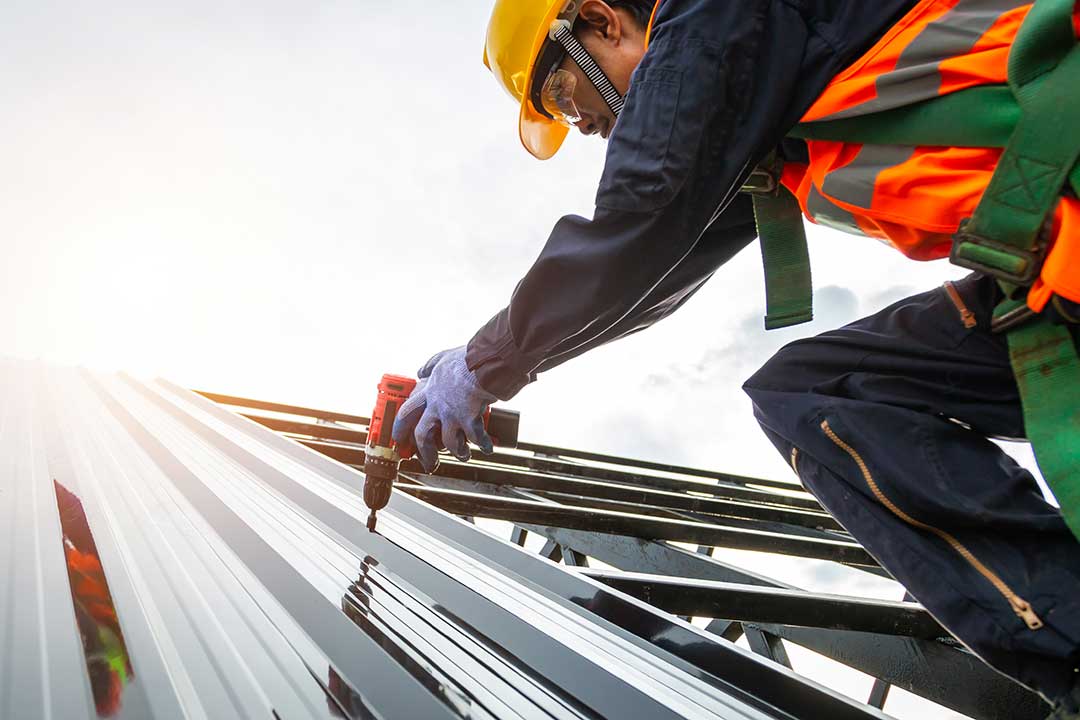
Many area residents compare re-roofing and replacement based on upfront price, but consider long-term value as well. While re-roofing generally costs less (since it requires less labor and waste disposal), its lifespan can be shorter because the underlying materials are already aged.
On average:
- Re-roofing adds about 10-15 years of life, given existing materials are still solid.
- A full replacement, when done with quality materials and proper installation, often lasts 20-30 years or more—especially valuable in a region with harsh seasonal swings.
Hidden costs can emerge with re-roofing if moisture or hidden rot is not uncovered, requiring more extensive repairs down the line. Roof replacement offers peace of mind and may also increase property value, which is relevant for residents considering future resale.
Are There Common Myths or Misconceptions Among Homeowners?
A widespread belief in Wynantskill is that re-roofing automatically saves money and time. While this can be true for minor surface aging, it’s not a solution for roofs with widespread leaks, mold, or structural warping—which are not uncommon due to the area’s weather patterns.
Another misconception is that adding another layer of shingles improves insulation. In reality, re-roofing does little to enhance energy efficiency and can sometimes trap moisture if not properly vented, leading to more significant issues.
Some residents believe all older roofs require a total replacement after each severe winter. Instead, periodic professional inspections (performed from the ground or attic, where safe) can reveal whether a repair, re-roof, or replacement is actually necessary.
What Should Households in Wynantskill Consider Before Deciding?
Choosing between re-roofing and roof replacement is influenced by:
- The age and number of existing shingle layers
- Visible sagging, leaking, or water stains inside the attic
- Local code requirements and any neighborhood preservation rules
- Long-term plans for the property and budget for repairs
Area homeowners often weigh the disruption to daily life, especially since a full replacement can stretch over several days and create more debris. Planning ahead for the project and considering seasonal weather can ease the process.
Ultimately, the right decision is based on an honest assessment of the current roof, awareness of code and climate factors, and understanding both short- and long-term impacts on your home.
