

How Do Skylights Change the Way a Roof Functions?
Adding a skylight changes both the look and function of a typical roof. While skylights offer natural light and a sense of openness, they introduce architectural features that interact differently with moisture, insulation, and heat compared to the rest of the roofing surface. In Wynantskill, homes with skylights experience benefits as well as potential challenges, especially given the region’s seasonal climate.
What Are the Main Benefits of Installing Skylights?
Skylights can brighten darker rooms, reduce reliance on artificial lighting, and promote ventilation. Many area residents appreciate them for:
- Enhanced natural light, especially in homes with deep roof layouts.
- A greater sense of space and connection to the outdoors.
- Venting models that help with moisture control in kitchens or bathrooms.
Even on overcast days, a well-placed skylight can noticeably change the feel of a room. In the cold months typical of Wynantskill, some households report psychological benefits from the extra daylight.
How Do Skylights Affect Roof Integrity?
A skylight creates an intentional break in the otherwise continuous roofing material. This makes waterproofing more complex. Properly installed skylights generally do not leak, but in Wynantskill’s mix of rain, snow, and freeze-thaw cycles, skylights are more likely than other areas of the roof to develop issues if not maintained.
Common concerns include:
- Leaks around the skylight frame if flashing is damaged or sealants age.
- Potential for ice dams forming around the unit edge in winter, especially on lower-slope roofs.
- Faster aging of roofing shingles around skylights due to trapped moisture or poor airflow.
Careful installation and regular inspection are key for homes in this climate. Even minor cracks or gaps can let moisture into insulation layers or the roof deck, eventually leading to rot or interior water stains.
Does a Skylight Change the Roof’s Energy Efficiency?
A skylight can both increase and decrease energy efficiency depending on placement, design, and quality. In Wynantskill’s cold winters and warm, humid summers, the impact is noticeable.
- Single-pane or older skylights may transfer heat or lose warmth more rapidly than insulated roof sections.
- Modern skylights often have insulated glass and low-emissivity coatings to help reduce unwanted heat transfer.
- Poorly sealed skylights can create drafts, leading to heat loss in winter and extra cooling needs in summer.
The slope of local roofs also affects performance. For example, skylights on south-facing slopes may add solar gain in winter—a benefit—but can lead to overheating on sunny days unless they have built-in shades or coatings.
Are There Special Concerns for Skylights in Wynantskill’s Climate?
Seasonal weather in Wynantskill means homeowners should be aware of specific factors:
- Heavy snow can accumulate above and around skylights. Melting snow caused by interior heat can refreeze, forming ice dams that back water up under roofing materials.
- The area's leafy surroundings lead to debris collecting on and around skylights, increasing moisture retention and possibly promoting moss growth.
- Humid summers can fog up less-insulated skylights or promote condensation if interior air isn’t vented well.
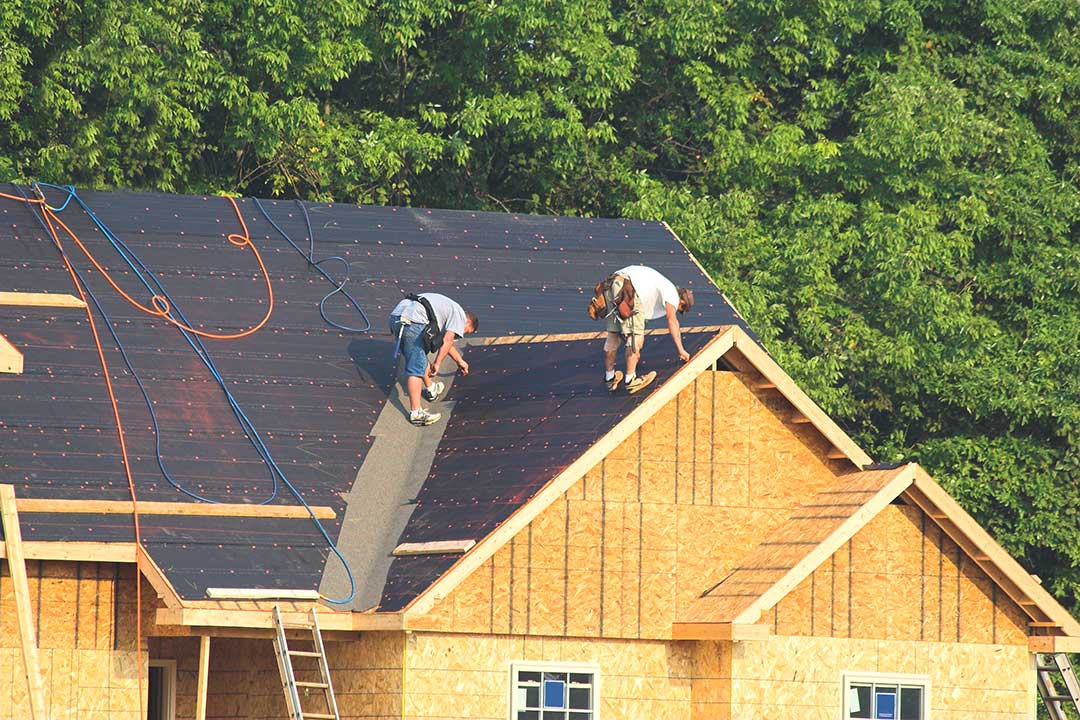
Routine clearing of leaves and snow, along with annual sealant or flashing checks, helps prevent bigger issues.
What Are Common Misconceptions About Skylights?
Some area residents worry that all skylights inevitably leak, or that they dramatically shorten roof lifespan. In reality:
- Most leaks result from aging or improper installation, not the skylight design itself.
- Good roofers use advanced flashing kits and underlayment to manage water flow around skylights.
- Regular roof maintenance—regardless of skylight presence—is the best way to avoid trouble.
Another myth is that skylights always improve home energy performance. While they provide light, their thermal effect depends on model quality and how well they are integrated with the roof’s insulation and ventilation.
What Maintenance Does a Homeowner Need to Plan For?
Every skylight needs periodic checks, especially after storms or each winter. Practical steps include:
- Inspecting for cracks in glass or signs of condensation between panes.
- Checking roof shingles and flashing around the skylight for lifting or wear.
- Gently brushing off leaves, branches, or snow accumulations.
- Replacing worn sealant or flashing as soon as spotting gaps or deterioration.
For many homes in the community, most of this can be done during routine roof inspections. If safety is ever in question—such as for steep roofs or hard-to-reach skylights—it’s safest to observe from the ground or inside.
Could a Skylight Affect Roof Warranties or Insurance?
Adding a skylight may have implications for roofing warranties or even homeowners’ insurance. Many roofing material warranties require that any roof penetration, including skylights, follows manufacturer guidelines for installation. Insurance policies sometimes ask whether “roof modifications” are present, especially when assessing leak-related claims.
Keeping good records of installation and maintenance, and following up on issues promptly, is the smartest way to avoid coverage complications.
