
Hanging lights along a roofline can make a home look welcoming, but the work involves fall hazards, electricity, ladders, wind, snow, and the possibility of damaging roofing materials. In Wynantskill, NY, seasonal cold, wet surfaces, ice, and winter storms make careful timing and installation especially important.
Is it safe to stand on the roof to hang lights?
Usually, no. Most homeowners should install roofline lights from the ground or from a properly positioned ladder rather than walking on the roof.
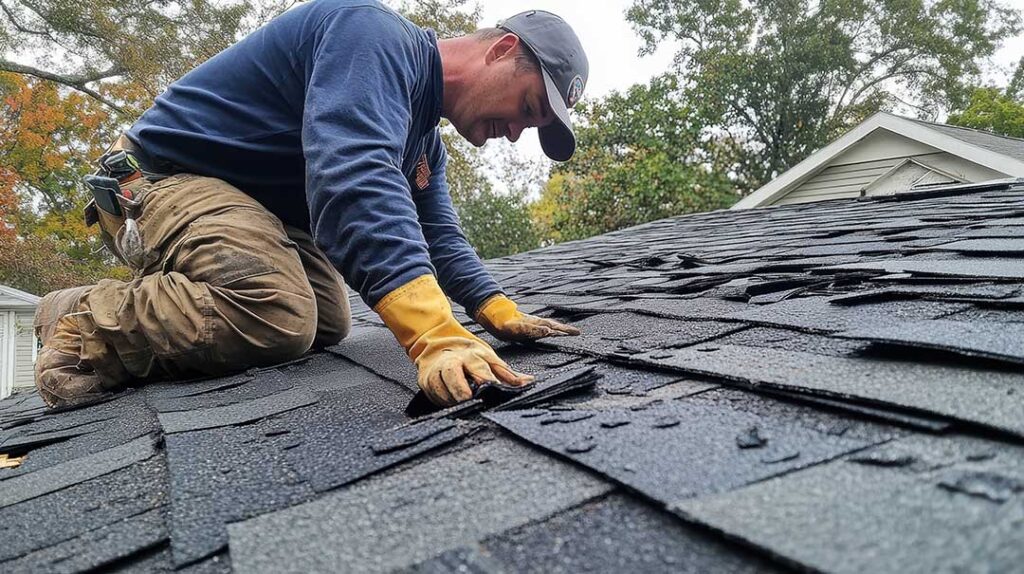
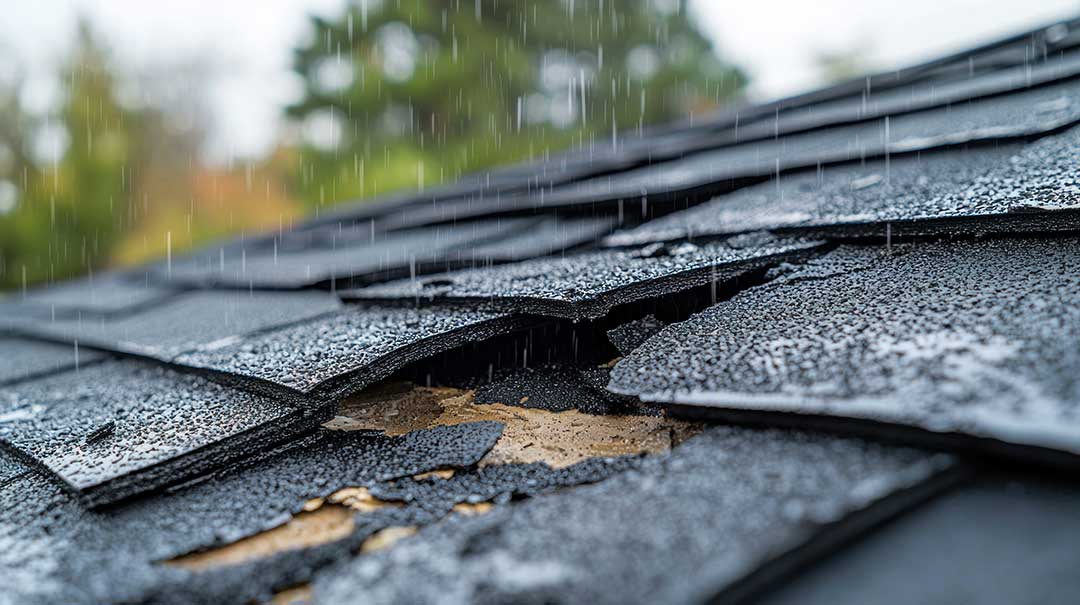
A roof may appear dry while still holding moisture, frost, or a thin layer of ice. Asphalt shingles can also become brittle in cold weather, and walking on them may loosen granules, bend flashing, damage seals, or dislodge roofing materials. Steep slopes, moss, wet leaves, and snow increase the risk of a fall.
If the design requires stepping onto the roof, pause the project unless proper fall-protection equipment, training, and stable access are available. A holiday lighting project is not a good reason to take an avoidable fall risk.
What should be checked before hanging lights?
Inspect the roof edge, gutters, siding, electrical outlets, ladder, light strings, and extension cords before beginning. Do not install lights during rain, snow, high wind, icy conditions, or freezing temperatures that make surfaces slippery.
Look for:
- Loose or missing shingles
- Sagging gutters or detached downspouts
- Damaged fascia or soffit
- Exposed nails, sharp metal, or loose flashing
- Cracked light sockets or broken bulbs
- Frayed, cut, or flattened cords
- Missing ground prongs
- Wet electrical connections
- Overhead power lines near the work area
Do not use damaged light strings or cords. Outdoor lights and extension cords should be clearly rated for outdoor use. If an outlet is not protected by a ground-fault circuit interrupter, commonly called a GFCI, outdoor electrical work should not proceed until appropriate protection is provided.
Which clips are safest for roofline lights?
Use purpose-made plastic clips that attach to the edge of a gutter, fascia, or shingle without puncturing the roofing system. Follow the light manufacturer’s instructions for spacing and attachment.
Avoid:
- Nails, screws, staples, or tacks driven through shingles
- Fasteners placed through flashing
- Clips that pinch or cut the cord
- Heavy decorations hanging from gutters
- Adhesives that leave residue or pull away roofing granules
- Hooks attached to brittle, cracked, or loose trim
A light string should rest securely without being stretched tightly. Slight movement is preferable to tension that pulls on sockets, clips, gutters, or fascia during wind.
Never staple an electrical cord directly to the roof, wall, or trim. A staple can pierce the insulation and create a shock or fire hazard that may not be visible immediately.
How should a ladder be positioned?
Set the ladder on firm, level ground away from snowbanks, ice, wet leaves, and soft soil. Do not place a ladder on boxes, buckets, blocks, picnic tables, or other objects to gain extra height.
Before climbing:
- Inspect the rails, feet, rungs, hinges, and locking mechanisms.
- Use a fiberglass ladder rather than a metal ladder near electrical equipment.
- Face the ladder while climbing and keep three points of contact.
- Keep your belt buckle between the ladder rails; do not lean sideways.
- Have another adult steady the ladder when conditions or height make that necessary.
- Move the ladder instead of reaching beyond a safe working position.
- Keep tools in a belt, bucket, or hoist rather than carrying them in both hands.
If a ladder is used to access a roof, it should extend at least three feet above the roof edge and be secured against slipping. That setup is for controlled access, not an invitation to walk across the roof.
Keep ladders and long light strings well away from overhead power lines. Ten feet of clearance is a commonly used minimum, but greater distance is safer when the voltage or line location is uncertain.
How can lights be connected safely?
Start with a dry, outdoor-rated receptacle protected by GFCI. Connect only light strings and decorations that the circuit and extension cord can safely support. Avoid overloading a single outlet or connecting more strings together than the product instructions allow.
Extension cords should be:
- Rated for outdoor use
- Long enough to reach without being stretched
- Free of cuts, crushed areas, and exposed wire
- Matched to the electrical load
- Kept away from standing water and snow
Do not run cords through closed windows or doors if doing so pinches the insulation. Do not bury cords under snow, place them beneath rugs, or route them where foot traffic can damage them. Keep plug connections elevated and protected from puddles, melting snow, and roof runoff without enclosing them in a way that traps moisture.
Use a weather-resistant connection cover designed for outdoor electrical connections when appropriate. A plastic bag wrapped around a plug is not a reliable substitute.
How should lights be arranged around gutters and roof edges?
Keep light strings clear of gutter outlets, downspout openings, and areas where water drains from the roof. Lights should not block drainage or rest in locations where ice buildup could pull on the gutter.
Avoid placing cords beneath loose shingle edges or under flashing. Those areas are designed to shed water, and forcing a cord underneath can create a path for water or damage the seal.
Do not attach heavy ornaments, inflatables, or rigid decorations to gutters unless the gutter and attachment system are specifically designed to carry them. Seasonal ice and wind can add considerable weight.
For homes with older roofing, delicate trim, or signs of water intrusion, ground-level lighting may be the safer choice. Lights can often be placed along railings, fences, shrubs, or lower architectural features without reaching the roof edge.
What changes during winter weather?
Cold-weather conditions can turn a simple installation into a serious hazard. Snow can hide roof edges, ice dams, weak gutter sections, and uneven ground. Wind can make light strings act like sails, pulling on clips and trim.
Install on a calm, dry day, and remove or secure lights before major wind, heavy snow, or freezing rain. After a storm, inspect for sagging strings, detached clips, damaged cords, and overloaded gutters. Do not climb up to correct a problem during icy conditions.
In a region with regular freeze-thaw cycles, repeated movement can loosen attachments over time. Check the installation periodically rather than assuming it will remain secure for the entire season.
When should roof lights be left off?
Turn off or unplug outdoor decorations before leaving the home or going to sleep, unless the equipment is specifically designed and installed for automatic operation under the manufacturer’s instructions. Replace any light string that becomes hot, smells like burning plastic, trips the GFCI repeatedly, sparks, or shows visible damage.
Stop the project entirely if the roof edge, ladder position, wiring, or weather creates uncertainty. Electrical repairs, work near service lines, and access to steep or hazardous roofs require appropriate training and equipment rather than improvisation.
A safe installation keeps the lights supported without puncturing the roof, protects every electrical connection from weather, and avoids placing a person on a slippery or unstable surface.
