
A typical asphalt-shingle roof lasts about 15 to 30 years, but the actual service life depends on the shingle quality, installation, ventilation, maintenance, and exposure to weather. In Wynantskill, NY, repeated freeze-thaw cycles, snow, ice, wind, and summer heat can affect how quickly roofing materials age.
Roof age is useful, but it should not be the only factor used to judge whether replacement is necessary. A well-maintained roof may perform beyond its expected range, while a poorly ventilated or storm-damaged roof may develop problems much sooner.
How long does a typical roof last?
Most residential roofs fall within these general ranges:
- Three-tab asphalt shingles: approximately 15 to 20 years
- Architectural asphalt shingles: approximately 20 to 30 years
- Premium or luxury asphalt shingles: approximately 25 to 40 years
- Standing-seam metal roofing: approximately 40 to 70 years
- Wood shingles or shakes: approximately 20 to 30 years with careful maintenance
- Slate, clay, or concrete tile: approximately 50 years to more than a century, depending on the material and structure
These are estimated service ranges rather than guarantees. Roofing materials often last longer in mild conditions and may wear faster where they experience heavy snow, strong winds, poor drainage, or frequent temperature changes.
For many homes in Wynantskill, asphalt shingles are the most common roofing material. They are relatively practical for the local climate, but their lifespan can vary substantially from one roof to another.
What determines a roof’s service life?
The material itself is only part of the answer. Roof longevity also depends on how the entire roofing system handles water, air movement, heat, and structural movement.
Shingle quality
Basic asphalt shingles generally have a shorter expected life than architectural or premium products. Thicker shingles may resist wind and weathering better, but the product rating does not guarantee that the roof will reach its maximum advertised lifespan.
Installation quality
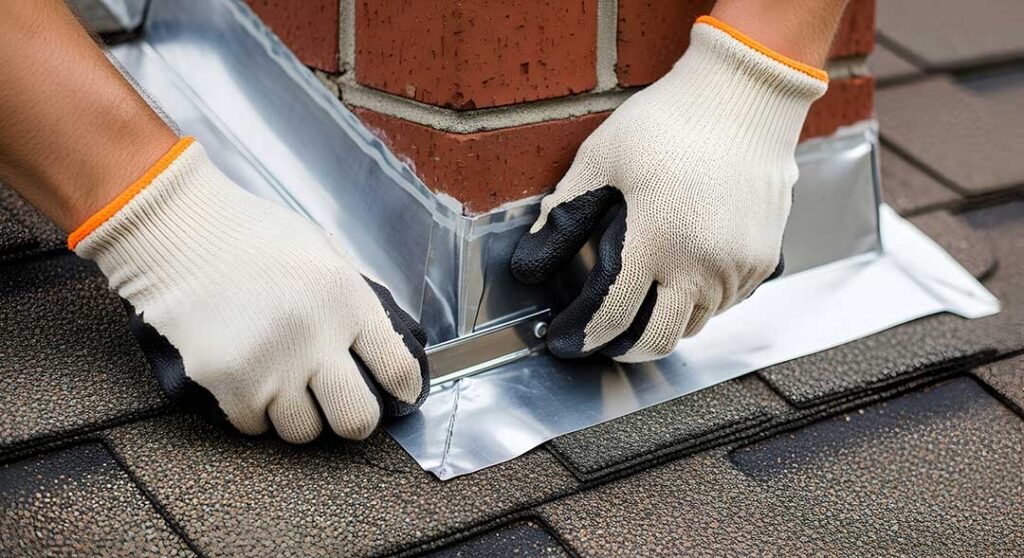
A roof can fail early if shingles, flashing, underlayment, or ventilation components are installed incorrectly. Common installation-related problems include exposed fasteners, poorly sealed valleys, inadequate flashing around chimneys, and improper placement of ventilation openings.
Ventilation and insulation
A properly balanced attic ventilation system helps release heat and moisture. In winter, warm indoor air entering a cold attic can contribute to condensation and frost. In summer, excessive attic heat can accelerate shingle aging and increase stress on roofing materials.
Ventilation alone does not correct every attic problem. Air sealing and insulation also matter because moisture often enters through gaps around light fixtures, plumbing penetrations, attic hatches, and ductwork.
Roof slope and design
Steeper roofs usually shed rain and snow more effectively than low-slope roofs. Complex roof designs with many valleys, dormers, and intersections have more areas where water can collect or flashing can fail.
Maintenance history
Leaves, branches, moss, and debris can hold moisture against roofing materials. Clogged gutters can cause water to back up near roof edges and contribute to rot in fascia boards, soffits, or sheathing.
Routine observation and timely repairs generally help a roof reach the longer end of its expected lifespan.
How does the local climate affect roofing?
Wynantskill experiences the kinds of seasonal conditions that can gradually stress a roof even when there is no single dramatic storm. Snow can remain on a roof for extended periods, while melting and refreezing create movement around eaves, valleys, and flashing.
Ice dams are one example. They form when heat escapes into the attic and melts snow on the warmer upper portion of a roof. The water can refreeze near colder eaves, creating a ridge that may force water beneath shingles. Ice dams are influenced by insulation, air leakage, ventilation, roof geometry, and weather conditions.
Wind can also loosen or lift shingles, particularly along roof edges and corners. Hail may bruise or crack shingles without leaving an obvious hole. After severe weather, damage may not be visible from the ground.
Summer conditions matter as well. Ultraviolet exposure, repeated heating and cooling, and high attic temperatures can dry out or weaken asphalt-based materials over time.
What are the signs that a roof is nearing the end of its life?
A roof may need closer evaluation when several warning signs appear together. Common indicators include:
- Shingles that are curled, cracked, brittle, or missing
- Granules collecting in gutters or at the base of downspouts
- Dark streaks or areas of uneven color
- Sagging along the roof surface or roof edge
- Damaged or loose flashing around chimneys, skylights, vents, or wall intersections
- Water stains on ceilings or upper walls
- Damp insulation, musty odors, or visible attic moisture
- Daylight visible through roof boards
- Frequent repairs in the same area
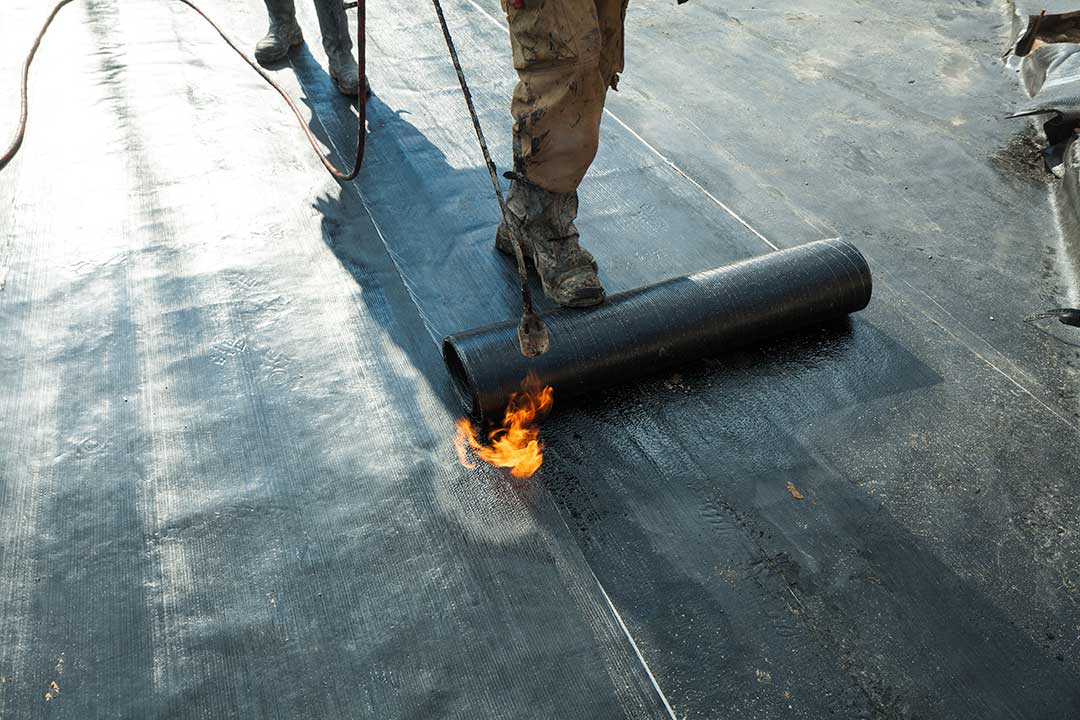
A single missing shingle does not necessarily mean the entire roof has reached the end of its life. Conversely, a roof can look acceptable from the ground while concealed flashing, underlayment, or sheathing has deteriorated.
Does roof age alone mean replacement is necessary?
No. Age provides context, but condition is more useful than a calendar date by itself.
A 20-year-old architectural-shingle roof with good ventilation, clean drainage, and no active leaks may still have useful service remaining. A 12-year-old roof with widespread wind damage, repeated leaks, or installation defects may require more immediate attention.
Roof replacement becomes more likely when the roof is older and also shows widespread wear, recurring leaks, significant granule loss, or deterioration in multiple roof areas. Localized damage may be repairable, but repairs become less practical when shingles are brittle or replacement materials no longer match well.
How often should a roof be checked?
A practical schedule is to observe the roof from the ground at least twice each year, usually in spring and fall, and after major wind, hail, or heavy snow events. Gutters and downspouts should also be checked for shingle granules, blockages, and excessive sediment.
An attic inspection can reveal problems before they appear inside the living space. Look for damp wood, rusted fasteners, compressed insulation, mold-like growth, or daylight around penetrations. Avoid walking on a roof unless proper safety equipment and training are available, especially when shingles are wet, icy, steep, or fragile.
If active water is entering the home, structural sagging is visible, or electrical components may have become wet, safety should take priority. Those conditions can involve hazards beyond ordinary roof wear.
Can repairs extend a roof’s life?
Repairs can extend useful service when damage is limited and the surrounding materials remain sound. Replacing damaged flashing, securing loose shingles, improving drainage, and correcting attic moisture problems may prevent a small issue from becoming a larger one.
Repairs cannot restore shingles that have become broadly brittle or a roof deck that has deteriorated across large areas. Coating, patching, or covering an aging roof may also conceal problems rather than solve them if water is entering below the visible surface.
The most reliable way to estimate remaining life is to consider the roof’s material, installation date, weather exposure, attic conditions, drainage, repair history, and current symptoms together. That broader view is more useful than relying on a single number such as “20 years.”
