
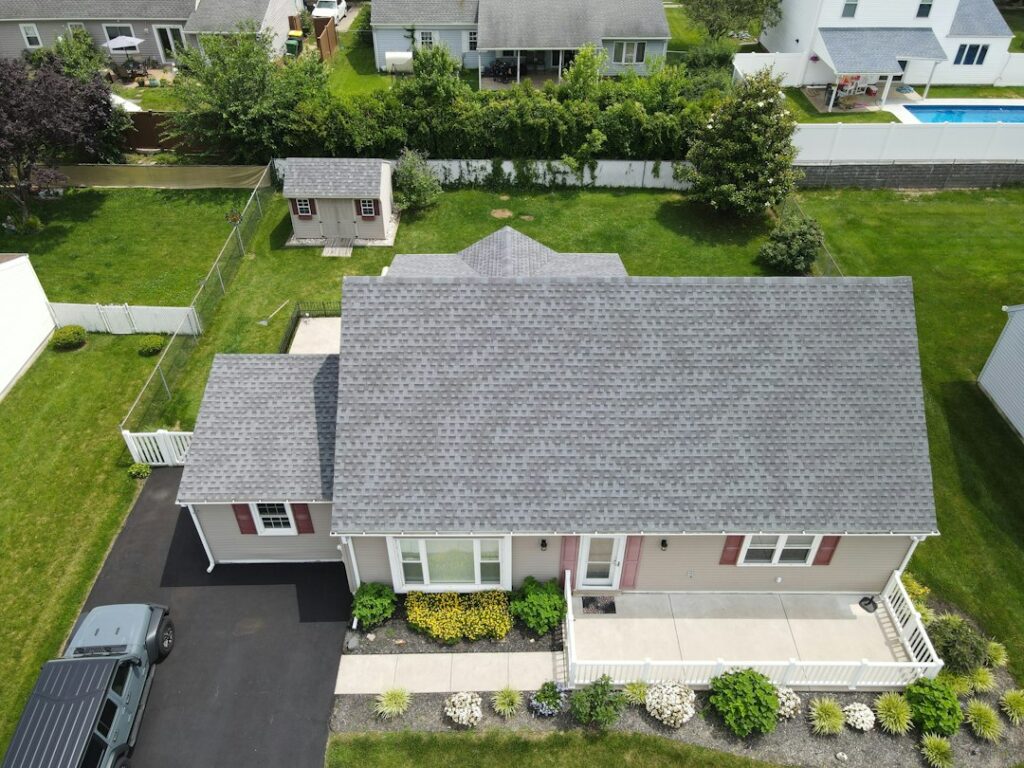
Solar panels can work well on many homes, but the roof beneath them needs to be evaluated before installation. Roof age, structural condition, snow and wind exposure, drainage, access, and future repair needs all affect whether a rooftop solar system is a sensible choice.
Is the roof suitable for solar panels?
A suitable roof is generally structurally sound, has enough usable space, receives adequate sunlight, and is unlikely to need replacement soon. Solar equipment can remain in place for decades, so the roof should be able to support that timeline.
Before making plans, look at:
- The roof’s age and expected remaining service life
- Missing, cracked, curled, or deteriorated shingles
- Soft areas, sagging, leaks, or water stains
- The condition of flashing around chimneys, vents, and roof edges
- Attic ventilation and signs of moisture
- The roof’s slope, orientation, and shading
- Whether the framing can support the additional load
A roof that is near the end of its useful life may still appear acceptable from the ground. Installing panels over it can create a difficult repair situation later because the panels and mounting hardware may need to be removed and reinstalled during reroofing.
Should an older roof be replaced before solar installation?
Often, yes—but the answer depends on the roofing material, condition, and expected lifespan. Solar panels should not automatically trigger a roof replacement if the roof is relatively new and in good condition. On the other hand, installing panels over a roof with widespread aging or hidden moisture problems can increase future costs.
Roofing materials have different service lives. Asphalt shingles may have many years remaining, while older wood, slate, or specialty roofing systems may require different mounting methods and repair planning. The key question is not simply, “How old is the roof?” It is whether the roof is likely to remain dependable for as long as the solar system is expected to operate.
If reroofing is needed, completing that work before panel installation usually avoids unnecessary removal, storage, and reinstallation.
Can a roof support the extra weight?
Most properly designed rooftop solar systems are not excessively heavy, but the combined load still needs to be evaluated. Panels, racking, wiring, and snow accumulation all contribute to the forces affecting the roof.
In Wynantskill, winter conditions make snow and ice part of the planning process. A system should be designed for the applicable local snow and wind requirements, not based only on the panel weight listed in a product brochure. Roof framing, attachment points, slope, and the way snow drifts across the roof can all matter.
A structural review may be especially useful for homes with:
- Older framing or previous structural alterations
- Low-slope roof sections
- Visible sagging or deflection
- Large additions or attached porches
- Unusual roof shapes
- Heavy roofing materials already in place
- Areas where snow tends to collect
The roof does not need to be reinforced automatically. Reinforcement is only appropriate when the existing structure and the proposed design show that it is necessary.
How are solar panels attached without causing leaks?
Solar panels are commonly secured with roof attachments that connect to structural framing below the roof covering. Those attachment points must be properly located, flashed, sealed, and installed according to the roofing and racking specifications.
Leaks are more likely when attachments are poorly positioned, flashing is incomplete, sealants are used as a substitute for proper detailing, or work is performed on a deteriorated roof. A small penetration can become a larger problem if water enters beneath the shingles and remains hidden.
Important details include:
- Attachment points aligned with suitable framing
- Flashing integrated with the roof covering
- Protection around valleys, ridges, eaves, and roof penetrations
- Adequate spacing from roof edges
- Drainage paths that remain open
- Wiring penetrations sealed and protected
- Documentation showing where equipment is installed
Solar panels should not block gutters, create places for water to pool, or interfere with normal roof drainage.
What happens to snow, ice, and roof maintenance?
Panels can change how snow moves across a roof. Snow may slide from the lower edge of an array, shed unevenly, or accumulate in areas where roof sections meet. This can affect walkways, lower roofs, gutters, landscaping, and entrances.
Snow guards may be useful in locations where sliding snow could create a hazard. Their need depends on roof slope, panel placement, building layout, and areas below the roof edge.
Solar equipment also should not prevent routine roof maintenance. Access may be needed for inspecting chimneys, vents, flashing, gutters, and other roof components. A well-planned layout leaves appropriate pathways and avoids placing panels where they make essential repairs unnecessarily difficult.

Homeowners should not walk on panels or attempt to remove heavy snow with improvised tools. Panels can be damaged, and roof surfaces may become slippery or fragile during winter conditions.
Do solar panels protect the roof?
Panels may shield portions of the roof from direct sunlight, rain, and some weather exposure, but they do not make an aging roof healthy. The roof covering and underlayment still need to remain watertight around the panel system and at all exposed edges.
Panels can also conceal roof problems from casual inspection. A leak may first appear inside the attic or ceiling even though the visible portion of the roof looks acceptable. Regular attention to attic moisture, staining, odors, and changes in energy use can help identify problems early.
Solar panels should be treated as equipment mounted on a roof—not as a substitute for a sound roof assembly.
What permits and code requirements apply?
A rooftop solar installation generally involves building and electrical code requirements, permits, inspections, and utility coordination. New York State requirements address structural design, electrical work, fire safety, rooftop access, ventilation, wiring, and equipment placement.
The exact permit process can depend on the local authority having jurisdiction and the type of system being installed. Construction documents may include a site plan, electrical diagram, equipment specifications, and structural information. Some projects also require documents prepared or reviewed by a properly licensed design professional.
Homeowners should verify the current requirements before work begins. Permit rules and code editions can change, and a system that appears simple from the roof may still involve several separate approvals.
What should homeowners document before installation?
Photographs and records taken before installation can be valuable later. Keep copies of:
- Roof inspection findings
- Roofing invoices and warranty information
- Existing leak or repair records
- Panel and racking layout drawings
- Attachment locations
- Electrical diagrams
- Permit and inspection documents
- Equipment warranties
- Maintenance instructions
It is also helpful to photograph roof areas that will be covered by panels, especially flashing, valleys, vents, and other details that may be difficult to see afterward.
Is rooftop solar always better than ground-mounted solar?
No. Rooftop mounting is convenient when the roof has good sun exposure and sufficient remaining life, but ground-mounted equipment may be worth considering when the roof is shaded, irregular, heavily wooded, structurally unsuitable, or likely to need replacement.
A ground-mounted system can also be easier to access for inspection and maintenance. However, it requires suitable land, may be subject to additional setbacks or zoning rules, and can affect drainage, snow removal, landscaping, and yard use.
The practical choice depends on the property, not on a general rule that solar panels belong on every roof.
What is the most sensible order of decisions?
For a home in Wynantskill, a careful sequence is usually:
1. Evaluate the roof’s condition and remaining service life.
2. Check attic framing, ventilation, and signs of moisture.
3. Review sun exposure, shading, roof orientation, and usable area.
4. Consider snow, ice, wind, drainage, and access.
5. Confirm permit, code, inspection, and utility requirements.
6. Compare rooftop and ground-mounted layouts if the roof is marginal.
7. Keep complete records of the roof and solar installation.
Solar panels can be a durable addition to a home, but the quality of the result depends heavily on the roof beneath them. A sound roof, properly planned attachments, clear access, and attention to local winter conditions are more important than simply fitting the largest possible array.
