

What should a seasonal roof maintenance routine include?
A useful roof maintenance routine checks drainage, roofing materials, attic conditions, and areas where weather can cause hidden damage. In Wynantskill, NY, roofs must handle freezing temperatures, snow, ice, wind, rain, fallen leaves, and rapid temperature changes throughout the year.
The goal is not to climb onto the roof frequently. Many inspections can be completed safely from the ground, from windows, or inside the attic. Roof access should be avoided when surfaces are wet, icy, steep, or otherwise unsafe.
A practical yearly schedule includes:
- A spring inspection after snow and ice have cleared
- Summer checks of flashing, ventilation, and exterior materials
- An autumn cleaning and preparation routine
- A winter monitoring plan for snow, ice, and interior leaks
- Additional checks after severe wind, hail, or heavy snowfall
What should be checked in spring?
Spring is the right time to look for damage caused by winter weather. Snow weight, ice movement, freeze-thaw cycles, and strong winds can loosen materials or open small gaps that become larger during spring rain.
From the ground, look for:
- Missing, cracked, curled, or displaced shingles
- Exposed underlayment or roof decking
- Metal flashing that appears bent or separated
- Sagging areas along roof slopes or eaves
- Loose gutters, downspouts, or sections of trim
- Granules collecting in gutters or at the base of downspouts
- Tree limbs or other debris resting on the roof
Inside the home, inspect ceilings, upper-floor walls, and attic spaces for brown stains, damp insulation, peeling paint, musty odors, or daylight visible through the roof deck. A stain may remain after a leak has stopped, so its presence does not always identify the exact location of the problem.
Gutters should be cleared of leaves, roof granules, and compacted debris. Downspouts need to discharge water away from the foundation rather than beside it. Water overflowing near the roof edge can contribute to basement moisture, foundation problems, and damage to fascia boards.
How can summer weather affect a roof?
Summer maintenance is mainly about heat, ventilation, storms, and aging materials. Hot attic conditions can accelerate deterioration when insulation and ventilation are not working properly.
Check whether soffit and ridge or roof vents are unobstructed. Proper airflow helps move heat and moisture out of the attic. Blocked vents, compressed insulation, or bathroom exhaust that terminates in the attic can contribute to condensation, mold growth, wood damage, and premature roof aging.
After thunderstorms or high winds, inspect the property from a safe location. Look for:
- Shingles in the yard or driveway
- New gaps around chimneys, vents, or skylights
- Bent flashing
- Punctures or dents from hail
- Fallen branches touching the roof
- Gutter sections pulled away from the fascia
A roof does not need to be visibly missing shingles to have storm damage. Small tears, lifted edges, and damaged flashing may not be obvious from the ground but can allow water to enter during the next storm.
Tree growth should also be reviewed during summer. Branches that scrape against roofing materials can remove protective granules and create openings. Overhanging limbs may also drop leaves and twigs into valleys and gutters.
What should homeowners do before autumn?
Autumn preparation reduces the chance of drainage problems and helps identify defects before winter arrives. Leaves are a particular concern where mature trees surround homes or where roof valleys collect debris.
Before freezing weather, check that:
- Gutters and downspouts are clear
- Downspout extensions direct water away from the foundation
- Roof valleys are free of leaves and branches
- Flashing around chimneys, vents, and wall intersections appears intact
- Attic insulation is dry and evenly distributed
- Bathroom and kitchen exhaust vents discharge outdoors
- Snow guards, if present, are secure
- Nearby tree limbs do not threaten the roof
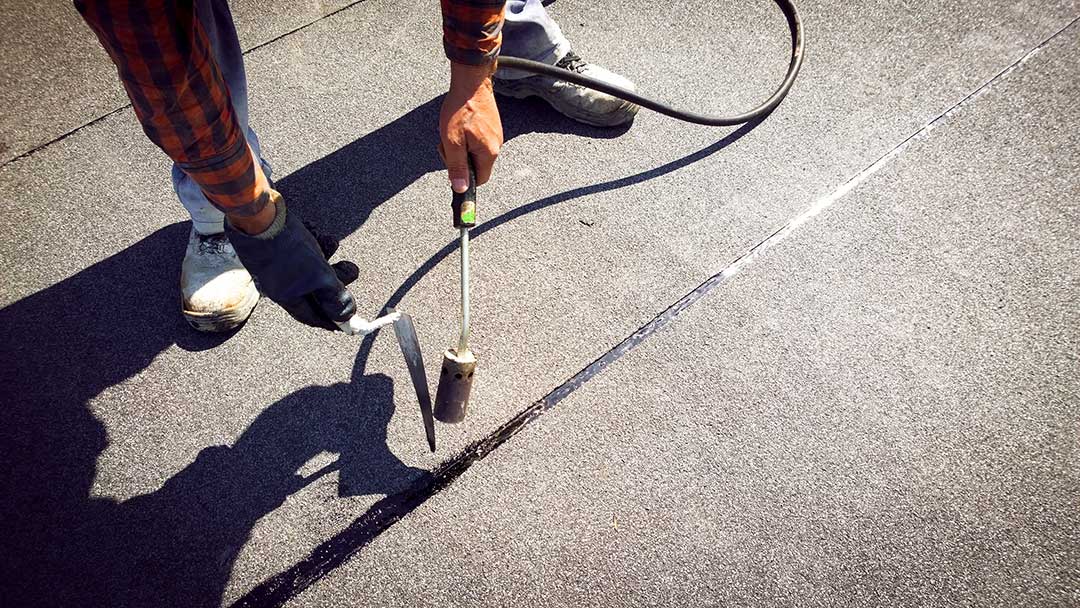
Gutter cleaning should be done from stable equipment and without leaning beyond a safe reach. Standing on a roof to remove debris can be especially dangerous in cool, damp autumn conditions.
Do not assume that a small amount of moss or algae is only a cosmetic issue. Growth can hold moisture against roofing materials and may make surfaces slippery. Avoid aggressive scraping or pressure washing, which can damage shingles. The appropriate treatment depends on the roofing material and the extent of growth.
How should a roof be monitored during winter?
Winter roof care is mostly observation and prevention. Snow should not automatically be removed after every storm, but unusually deep, wet, or uneven accumulation deserves attention, especially on older structures, low-slope sections, additions, and areas beneath drifting snow.
Warning signs include:
- New ceiling stains or dripping water
- Doors that suddenly stick near upper floors
- Cracking sounds from the roof or attic
- Sagging roof lines
- Large ice formations along eaves
- Water backing up behind ice near the roof edge
Ice dams form when heat escapes into the attic and melts snow on the warmer upper portion of a roof. The water can refreeze near colder eaves and back up beneath roofing materials. They are usually related to a combination of attic air leakage, insulation gaps, ventilation conditions, and weather—not simply a lack of gutter cleaning.
Do not chip ice with tools or pour hot water onto roofing materials. Both actions can damage shingles and create immediate hazards. Snow and ice removal from a roof should be handled only when conditions require it and when the work can be completed safely.
Which roof problems need prompt attention?
Some conditions can wait for a scheduled inspection, while others should be treated as urgent because water or structural damage may be developing.
Prompt attention is warranted when there is:
- Active dripping during rain or snowmelt
- A large ceiling stain that is expanding
- Visible sagging in the roof deck or ceiling
- A fallen tree or heavy limb on the roof
- Exposed roofing underlayment
- Extensive shingle loss after wind
- Damaged electrical fixtures near a leak
- Water entering near a chimney, vent, or skylight
If water is near electrical wiring or light fixtures, avoid touching the fixture and use the electrical panel only if it can be done safely. Place containers under minor drips and move valuables away from the area, but do not climb into a wet attic or onto a damaged roof.
How often should a roof be inspected?
A roof should receive a basic visual check at least twice a year—normally in spring and autumn—and after unusually severe weather. Older roofs, roofs beneath trees, and properties with recurring ice-dam or drainage problems may need more frequent observation.
Keep a simple record of inspection dates, visible changes, repairs, and photographs taken from safe locations. This makes it easier to recognize gradual deterioration. It also helps distinguish a new problem from an old stain or a repair that has remained stable.
Regular maintenance cannot prevent every roof failure, but it can identify blocked drainage, storm damage, attic moisture, and small leaks before they affect larger parts of the home.
