
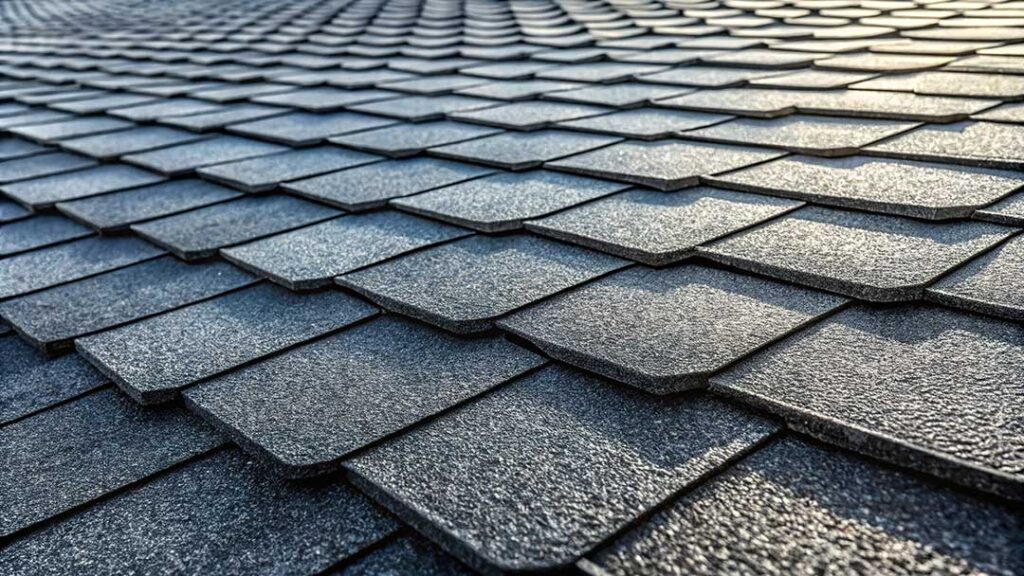
Roofing technology is changing in ways that affect comfort, durability, energy use, and storm resistance. For households in Wynantskill, NY, the most useful innovations are not always the most futuristic. Improvements in ventilation, underlayment, fastening, surface coatings, solar integration, and inspection methods can make a roof better suited to cold winters, summer heat, heavy rain, ice, and changing weather patterns.
What roofing innovations are most relevant to local homes?
The most practical advances combine familiar roofing materials with better design and monitoring. These include:
- More reflective roofing surfaces
- Improved water-resistant underlayments
- Stronger wind-rated fastening systems
- Synthetic materials designed for consistent performance
- Solar roofing and building-integrated photovoltaics
- Digital inspection tools and moisture detection
- More effective attic ventilation systems
A new technology is only useful when it matches the roof design, building structure, climate, and maintenance needs. A product described as “advanced” may not be a good choice for every home.
How do cool roofs work in a northern climate?
Cool roofs are designed to reflect more sunlight and release absorbed heat more efficiently than conventional dark roofing. This can reduce roof temperatures and lower cooling demand during hot weather. The U.S. Department of Energy identifies solar reflectance and thermal emittance as the main properties used to evaluate roof “coolness.” ([energy.gov](https://www.energy.gov/sites/default/files/2021-08/ES-CoolRoofs_080921.pdf?utm_source=openai))
For local households, the decision is more balanced than simply choosing the most reflective surface available. Wynantskill experiences both warm summers and cold winters, so reduced summer heat gain may be helpful, while reduced winter solar warming can affect heating performance. The value of a cool roof depends on insulation levels, roof color, roof type, shade, attic design, and the efficiency of the heating and cooling equipment. ([energy.gov](https://www.energy.gov/cmei/femp/purchasing-energy-efficient-cool-roof-products?utm_source=openai))
Cool-colored shingles can provide some of the benefits without requiring a bright white roof. Reflective options are available for several common roofing materials, including steep-slope products. A sound roof generally should not be replaced solely to gain reflectivity; this feature is usually most practical when reroofing is already being considered. ([energy.gov](https://www.energy.gov/sites/default/files/2021-08/ES-CoolRoofs_080921.pdf?utm_source=openai))
Are new underlayments more important than the shingles?
In many cases, yes. The visible roof covering receives most of the attention, but underlayment provides a secondary water-shedding layer beneath shingles or other materials. Modern synthetic underlayments can offer more uniform coverage, improved tear resistance, and better protection during construction than older paper-based products.
Ice-dam protection is another important part of the roof assembly in cold-weather regions. Self-adhering membranes are often used along vulnerable roof edges, valleys, and penetrations, depending on the roof design and applicable requirements. They do not eliminate ice dams, however. Adequate insulation, air sealing, ventilation, and safe snow-management practices still matter.
A common misconception is that a new underlayment can compensate for poor flashing. It cannot. Valleys, chimneys, skylights, wall intersections, and roof penetrations still require carefully designed flashing and drainage details.
Can technology make a roof more resistant to wind and hail?
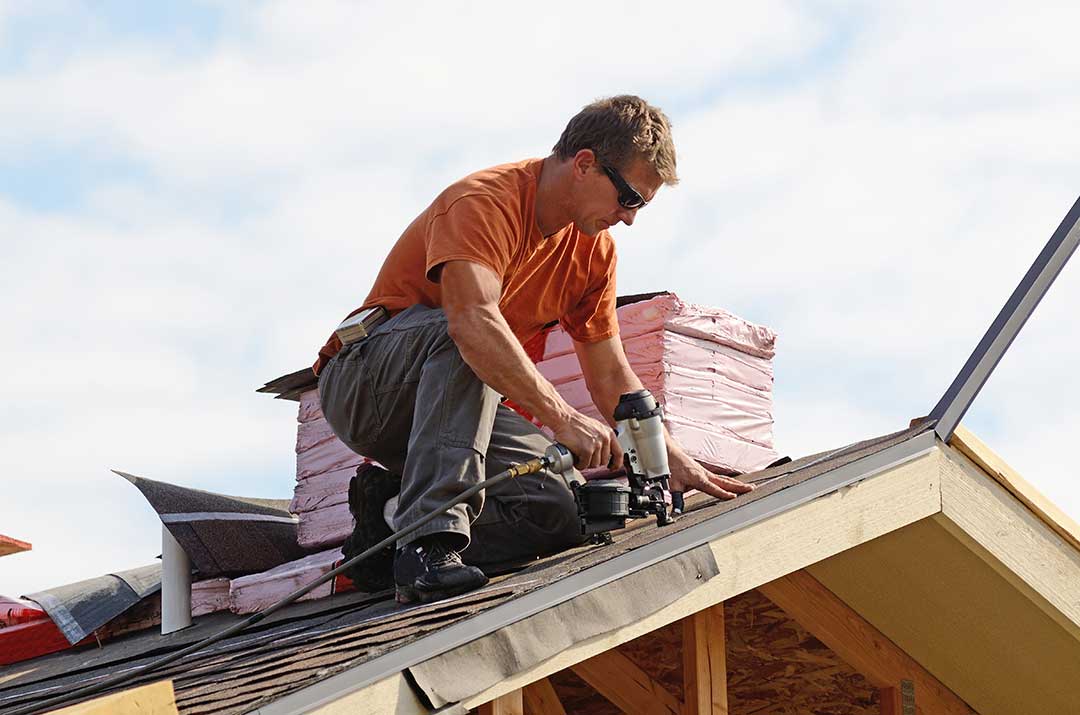
Improved fastening and installation methods can reduce the risk of roof-covering failure during severe weather. Wind performance depends on the roofing product, nail placement, edge treatment, roof geometry, deck condition, and installation quality. Federal Emergency Management Agency guidance notes that asphalt-shingle damage in high-wind events is often linked to fastening and attachment problems rather than the shingle material alone. ([fema.gov](https://www.fema.gov/sites/default/files/documents/fema_improving-windstorm-resilience-fact-sheet_022023.pdf?utm_source=openai))
Newer roofing systems may include:
- Stronger adhesive strips
- More consistent nail-position markings
- Enhanced starter strips
- Reinforced ridge and hip components
- Impact-rated products
- Better-designed metal edges and flashing
“Hail-resistant” does not mean hail-proof. Ratings are based on standardized testing and should be understood as a comparison tool, not a guarantee against damage. Older roofs may also become more vulnerable as sealant strips age, fasteners corrode, or roofing materials lose flexibility.
What role can solar roofing play?
Solar technology can be installed above a roof or integrated into the roof itself. Building-integrated photovoltaics, commonly called BIPV, use solar-generating materials as part of roofing, skylights, façades, or other building components. ([energy.gov](https://www.energy.gov/cmei/systems/articles/expanding-solar-energy-opportunities-rooftops-building-integration?utm_source=openai))
Integrated solar roofing can provide a cleaner appearance, but it involves more than selecting a solar surface. The roof must have suitable orientation, limited shading, adequate structural capacity, and enough remaining service life. Trees, chimneys, dormers, and nearby roof sections can reduce solar production. ([energy.gov](https://www.energy.gov/cmei/systems/solar-energy-guide-homebuilders?utm_source=openai))
For an older roof, installing solar equipment without considering future reroofing can create access and coordination problems. A roof replacement and solar project may need to be planned together so that attachment points, flashing, wiring, and drainage remain serviceable.
Solar roofing is also not the same as backup power. Electricity generation, battery storage, and operation during a utility outage depend on the complete electrical system and its controls.
How are digital tools changing roof inspections?
Roof inspections increasingly use high-resolution photography, moisture meters, infrared equipment, satellite measurements, and sometimes drones. These tools can help identify missing shingles, damaged flashing, unusual heat patterns, ponding water, or areas that deserve closer examination.
Technology improves documentation, but it does not replace judgment. Infrared readings can be affected by sunlight, wind, surface moisture, and temperature differences. A drone photograph may show a damaged surface but not reveal whether the roof deck or interior framing is wet.
For homeowners, the most useful inspection record includes dated photographs, notes about observed conditions, and a distinction between urgent defects and routine maintenance. This makes it easier to track changes after winter storms or heavy rainfall.
Do smart roof systems monitor leaks automatically?
Some newer buildings use sensors to detect moisture, temperature, humidity, or movement within roof assemblies. These systems are more common on large low-slope buildings, but smaller-scale monitoring is becoming more accessible.
Sensors can provide early warning, particularly where a leak might travel before appearing on an interior ceiling. They are most useful in complicated roof areas, buildings with valuable contents, or properties where regular access is difficult.
Monitoring does not prevent a leak. It also cannot reliably detect every failure, especially when water enters far from the sensor. Traditional maintenance remains necessary: keeping drainage paths clear, checking flashing, watching attic conditions, and investigating stains promptly.
Which innovations deserve the most attention during a roof project?
The best technology is usually the one that solves a specific problem. Before choosing a product, consider:
- Whether the roof is steep-slope or low-slope
- How snow, ice, rain, and summer heat affect the building
- The condition of the roof deck and framing
- Attic insulation and ventilation
- Shading from trees or nearby structures
- Compatibility with existing flashing and drainage
- Product testing, warranty terms, and maintenance requirements
- Whether local permits or code requirements apply
For many homes, careful water management and ventilation will provide more long-term value than a highly specialized product. A well-installed conventional roof with sound flashing, appropriate underlayment, reliable ventilation, and documented maintenance can outperform an advanced material installed incorrectly.
The practical direction of roofing technology is not simply toward newer materials. It is toward better integration: roofs that manage heat, shed water, resist weather, support energy systems, and provide clearer information about their condition.
