
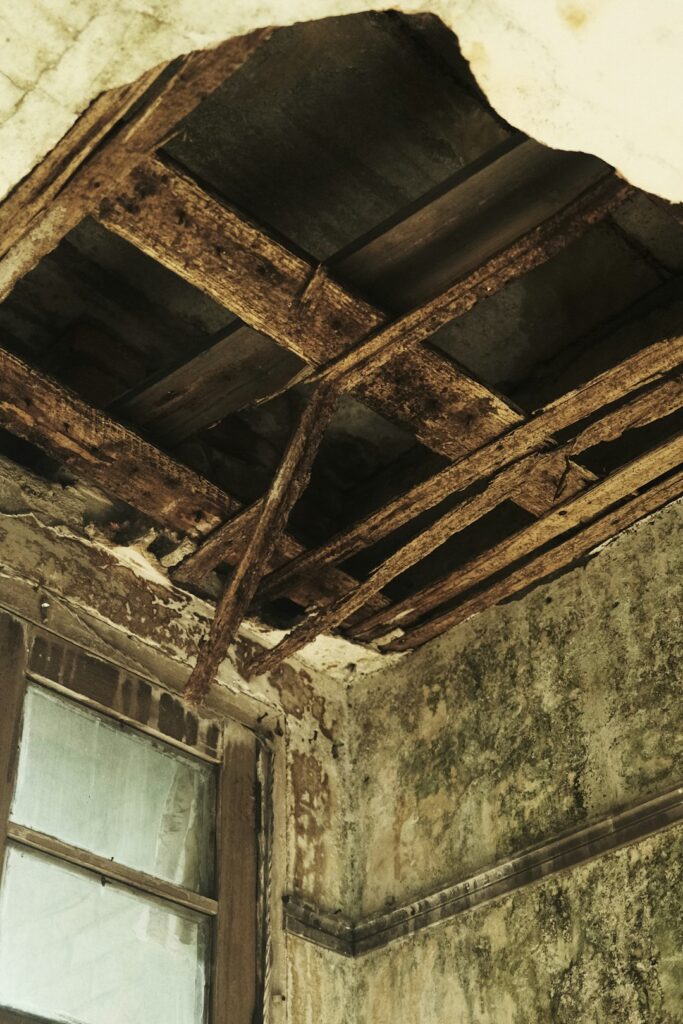
Roof damage can be difficult to evaluate after a strong storm, especially when wind, heavy rain, ice, and falling branches affect a home at the same time. Careful documentation gives an insurance company a clearer record of what happened, what was damaged, and what was done to prevent additional loss.
The goal is not to prove that every problem is covered. Coverage depends on the policy, the cause of loss, exclusions, deductibles, and the condition of the roof before the event. Good records simply make the claim easier to review.
What should be done first after roof damage?
Safety comes before photographs. Do not climb onto a roof, enter a visibly unstable area, or approach downed wires to document damage. From the ground or another safe location, record the date, approximate time, and weather conditions connected with the event.
In Wynantskill, roof problems may follow several types of seasonal weather, including strong summer thunderstorms, winter wind, ice buildup, and freeze-thaw cycles. A roof may also continue leaking after the visible storm has passed, so check the attic, ceilings, upper walls, insulation, and stored belongings when it is safe to do so.
Before moving damaged property or beginning cleanup:
- Take wide photographs showing the entire side of the house.
- Photograph the roof from the ground, if visible.
- Record fallen branches, scattered shingles, damaged flashing, exposed underlayment, dents, or openings.
- Photograph interior stains, wet drywall, damaged insulation, and water on floors.
- Capture damaged furniture, electronics, clothing, boxes, and other contents.
Do not place yourself in danger to obtain a close-up image. A photo taken from the ground is more useful than an injury or additional property damage.
How should roof damage be photographed?
Use a combination of wide, medium, and close-up photographs. Wide images show where the damage is located. Medium images connect the damaged area to a recognizable part of the home. Close-ups show details such as torn shingles, lifted edges, punctures, cracks, dents, or missing materials.
Photograph each affected roof plane when possible. Also document related components, including:
- Gutters and downspouts
- Chimneys and chimney caps
- Skylights
- Vent pipes and roof vents
- Drip edges and flashing
- Siding, windows, screens, and exterior doors
- Decks, fences, sheds, and other insured structures
Place a ruler, tape measure, or familiar object near a damaged area only if doing so is safe. This can help show scale, but avoid touching loose roofing materials or walking on a wet or unstable surface.
Keep the original files. Phone applications may edit, compress, or remove information from photographs when images are shared. Save copies in more than one location and use descriptive file names, such as “north roof slope missing shingles” or “bedroom ceiling water stain.”
Should the damage be cleaned up before filing a claim?
Generally, document the condition first and notify the insurer promptly. Do not discard damaged materials or belongings until the insurance company has had a reasonable opportunity to inspect them, unless leaving them in place creates a safety or health hazard.
Some emergency action may be necessary to prevent further damage. Examples include placing a tarp over an opening when it can be done safely from the ground, using buckets to catch active leaks, moving furniture away from water, or arranging temporary boarding for a broken window.
Keep receipts for emergency materials, temporary labor, water removal, lodging, or other reasonable expenses. Note what was done, when it was done, and why it was necessary. Avoid permanent repairs or replacement of major roofing sections before discussing the next steps with the insurer, unless immediate action is required to protect the home.
A temporary repair is not the same as an admission that the full loss is covered. It is simply an effort to limit additional damage.
What information belongs in a roof damage inventory?
Create a written description that matches the photographs. For the roof itself, record the approximate number of affected areas, the location of each area, and the apparent type of damage. Avoid guessing about technical causes if the cause has not been confirmed.
For interior and personal property damage, list:
- The room or location
- The item or building material affected
- A description of the damage
- The approximate age of the item
- The original purchase price, if known
- The estimated replacement cost
- Receipts, invoices, warranties, or photographs showing prior condition

For example, “water damage in upstairs bedroom” is less useful than “brown ceiling stain approximately three feet wide below the rear roof slope; paint bubbling and drywall soft to the touch.”
If receipts are unavailable, other records may help establish ownership and value. Bank or credit-card statements, photographs taken before the loss, product manuals, warranties, and prior home inventory records can all be useful. Do not throw away damaged personal property simply because the original receipt cannot be found.
How should conversations with the insurance company be recorded?
Keep a claim file from the first notification. Record the claim number, date and time of each conversation, the name or identification number of the person spoken with, and a brief summary of what was discussed.
Save emails, text messages, letters, photographs, estimates, inspection reports, and uploaded documents. If instructions are given by phone, follow up with a short written message summarizing the understanding of those instructions.
The adjuster’s estimate is an important document, but it may not include every affected item. Compare it with the personal inventory and photographs. Ask for clarification about items that appear to be missing, excluded, depreciated, or assigned a different quantity than documented.
A roof inspection may identify long-term wear, previous repairs, storm-created openings, or several contributing conditions. Insurance policies often treat sudden storm damage differently from deterioration or maintenance issues. The written policy, rather than a general rule about roof claims, controls the decision.
What should homeowners check in their policy?
Review the declarations page and the sections addressing dwelling coverage, other structures, personal property, additional living expenses, deductibles, exclusions, and roof settlement terms. Some policies distinguish between replacement cost and actual cash value. Actual cash value may account for depreciation, while replacement-cost payments can involve additional requirements.
Also check whether the policy contains special deductibles or limitations related to wind, hail, water, ice, or other causes. A roof leak caused by storm damage may be treated differently from water entering because of long-term wear.
Flooding is usually handled differently from ordinary rain entering through a damaged roof. If water rises from the ground or an overflowing body of water, a separate flood policy may be relevant. The cause and path of the water should be documented without making assumptions about coverage.
What common documentation mistakes should be avoided?
Several mistakes can make a claim harder to evaluate:
- Photographing only the most severe damage and ignoring minor affected areas
- Cleaning up before recording the original condition
- Discarding damaged materials too quickly
- Making permanent repairs before the insurer can inspect
- Failing to document temporary repairs and expenses
- Relying on memory instead of written notes
- Posting incomplete or speculative statements about the loss online
- Assuming a contractor’s estimate automatically determines insurance coverage
- Signing documents without understanding what they say
If the home is unsafe, the roof has a large opening, or electrical hazards are present, safety and emergency protection take priority. In those situations, documentation can continue through photographs, receipts, and written descriptions after the immediate danger has been addressed.
A complete record should allow someone who was not present during the storm to understand the sequence: what the weather or event was, what condition the property was in afterward, what damage appeared, what temporary steps were taken, and what costs resulted. That organized timeline is often more useful than a large collection of unlabeled photographs.
